Some early blossoms of David Austin roses from my garden, rescued from a torrential rainstorm. English Roses are so fragrant!
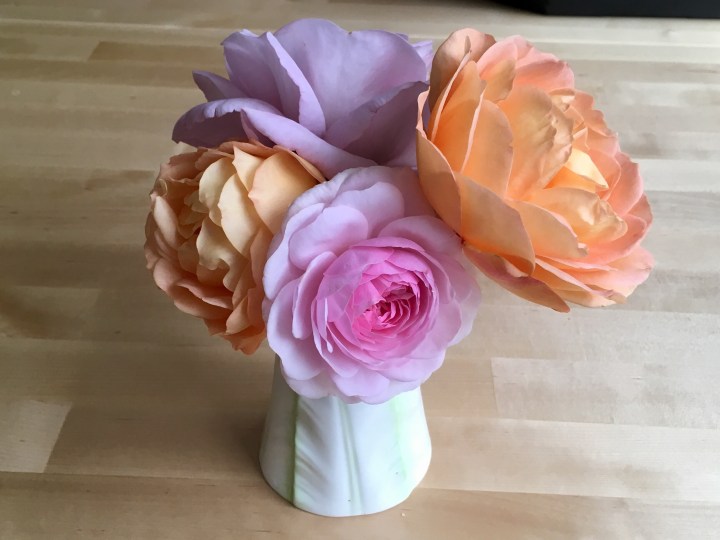
Some early blossoms of David Austin roses from my garden, rescued from a torrential rainstorm. English Roses are so fragrant!
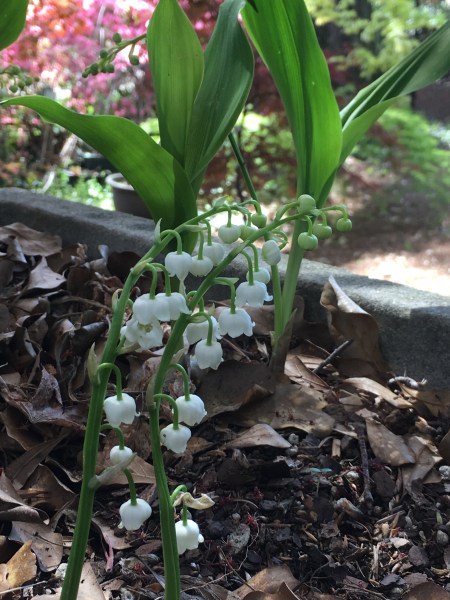
The first lily of the valley blooms have emerged in my garden, in the last days of March. I love lilies of the valley but they can be hard to grow here in Zone 7, so I’m delighted that these have decided to return. They emit one of my favorite fragrances, the inimitable “muguet“. Do you grow lilies of the valley? When do they emerge in your garden?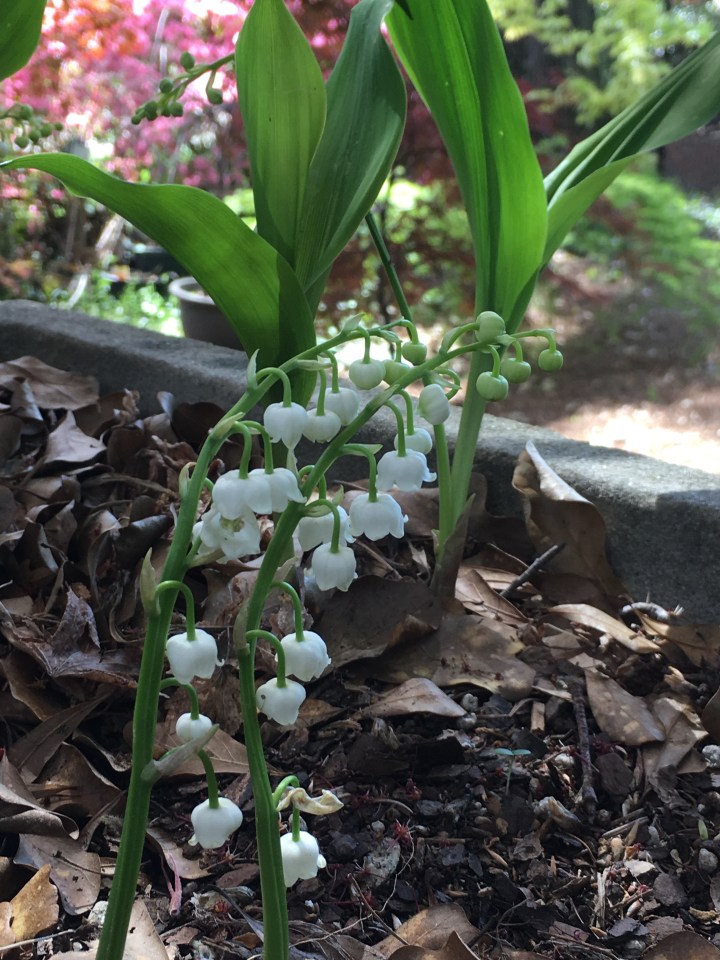
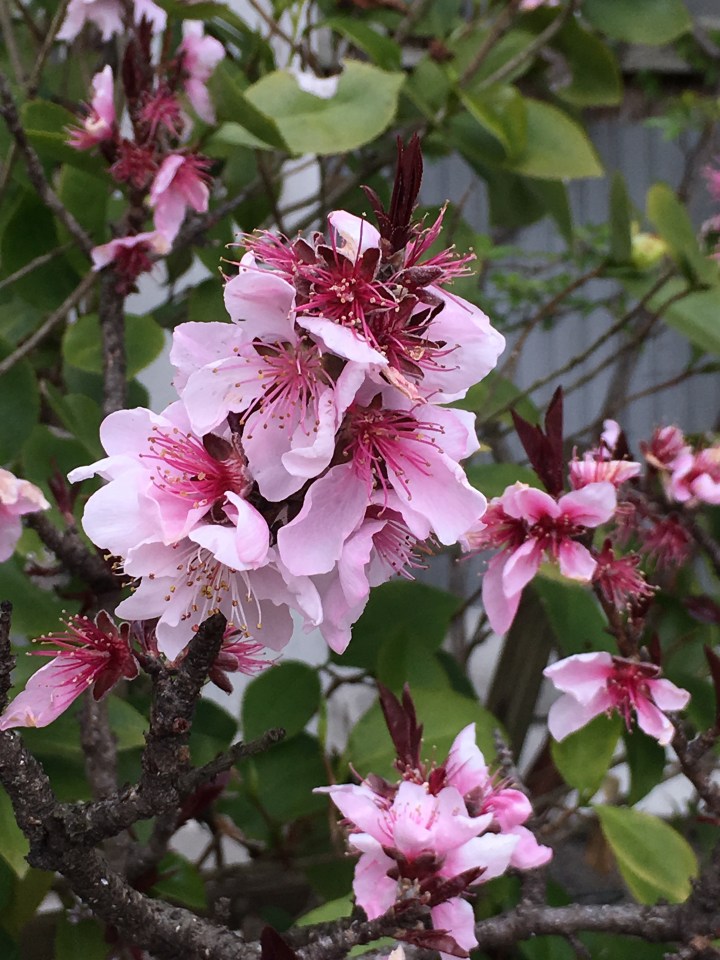
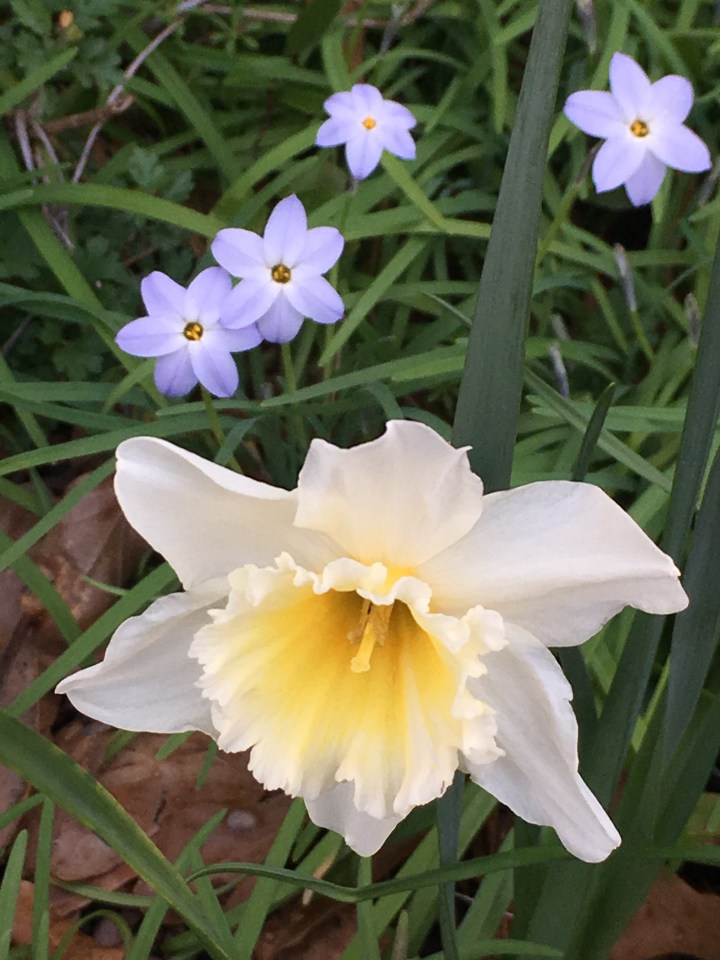
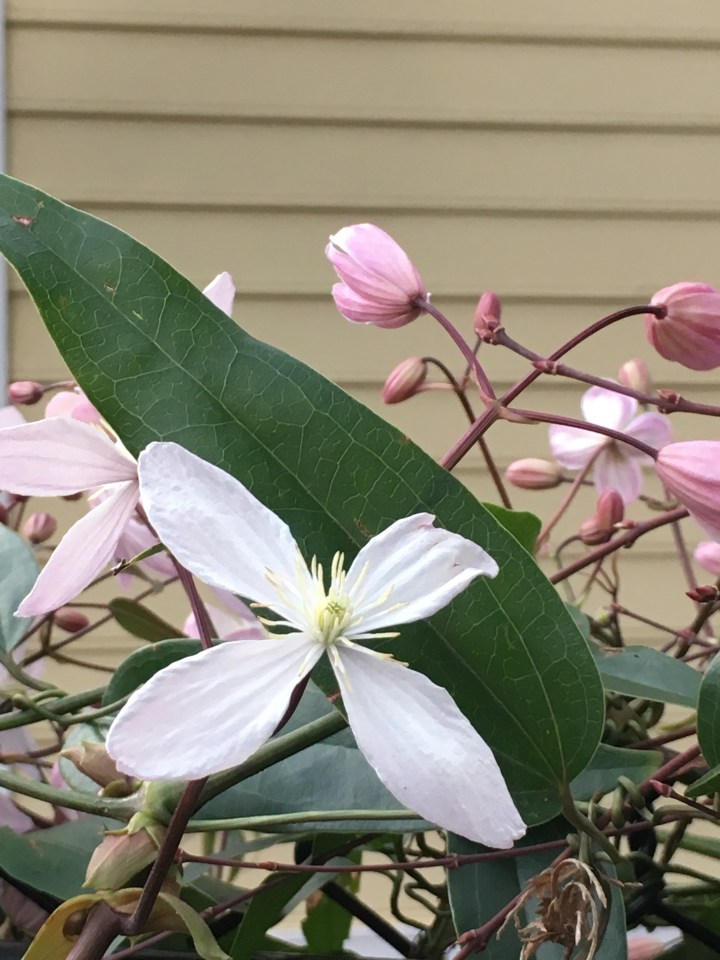
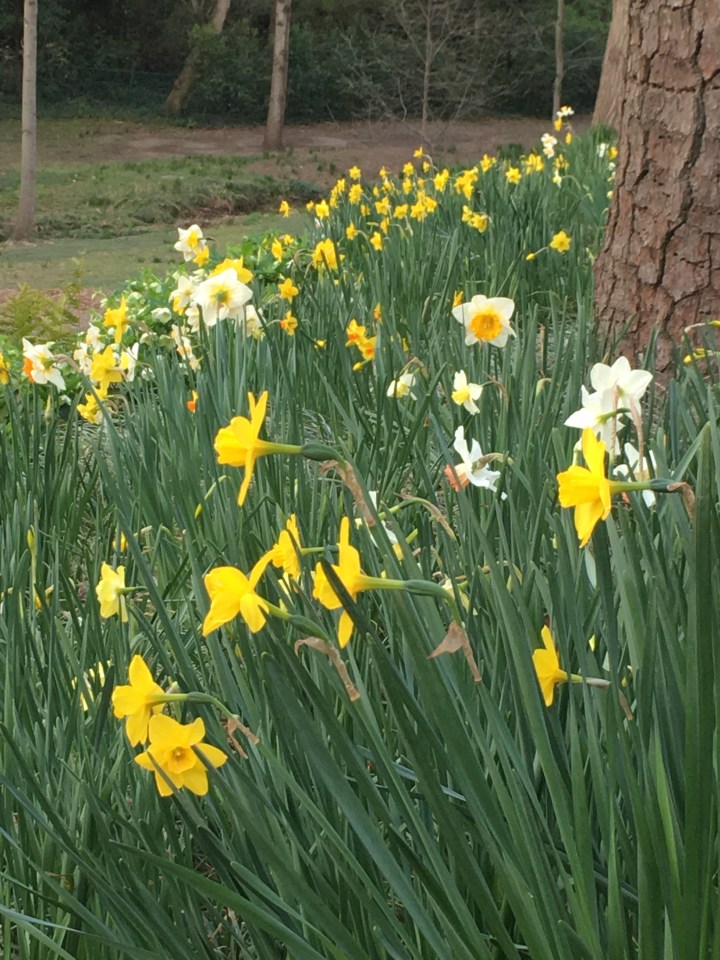
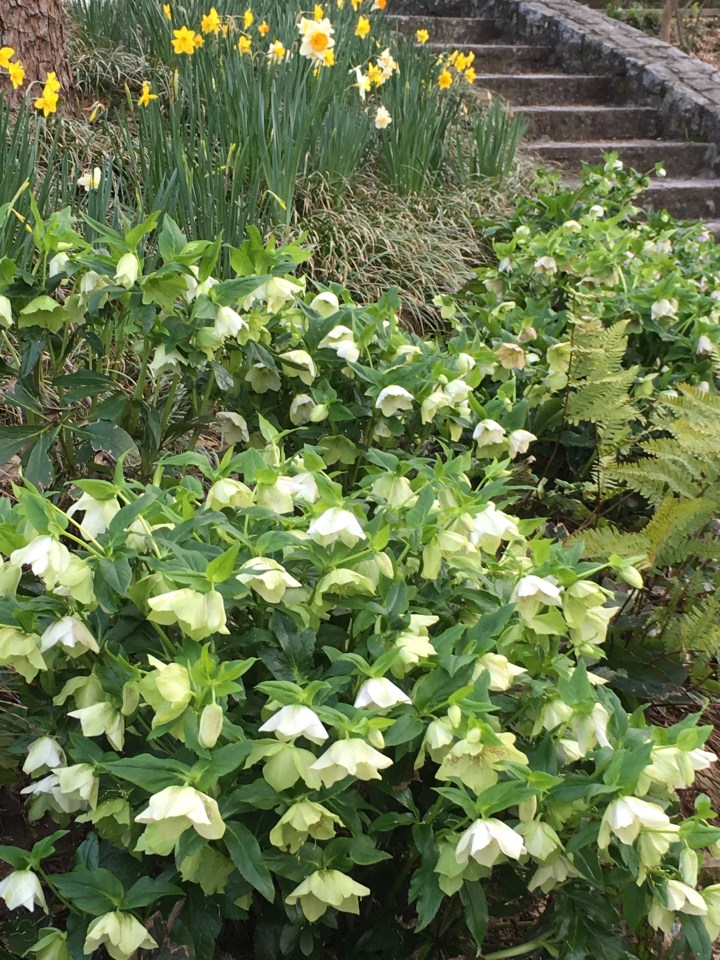
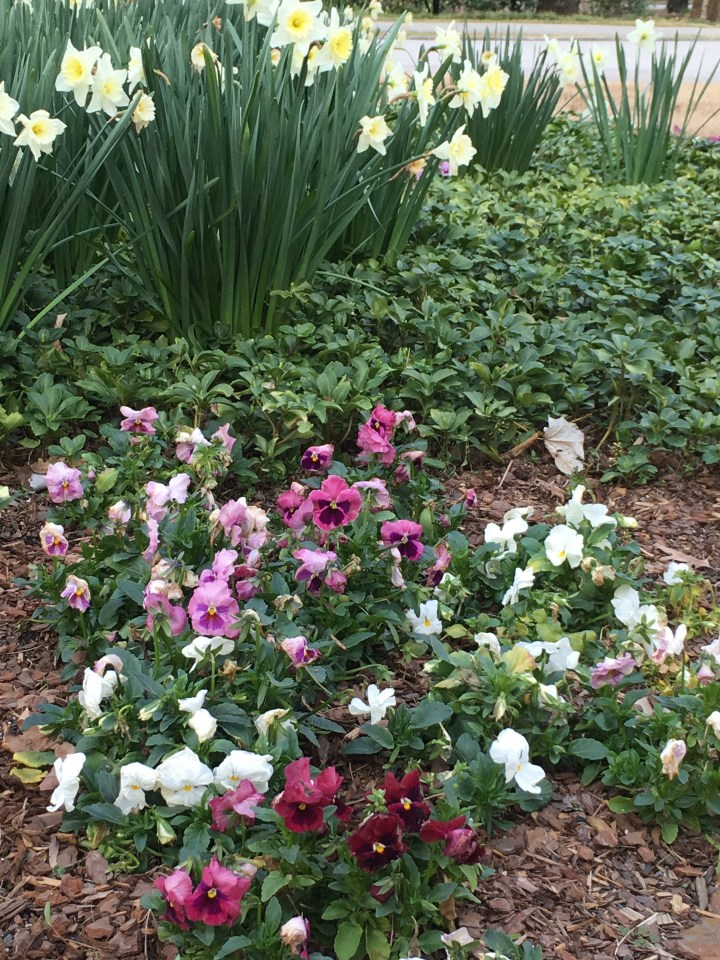
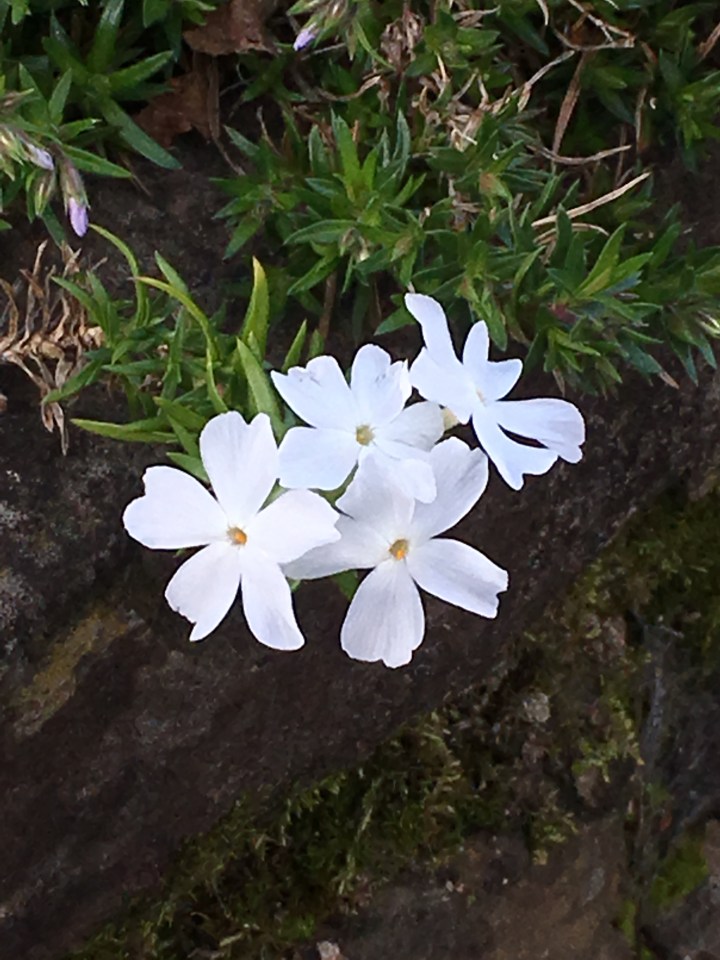
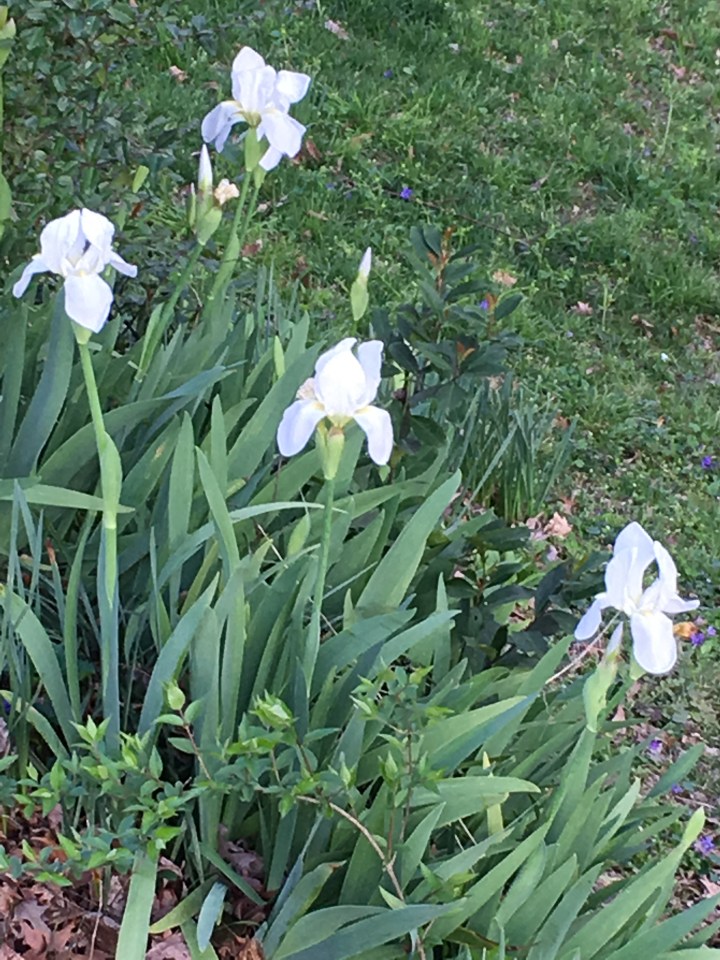
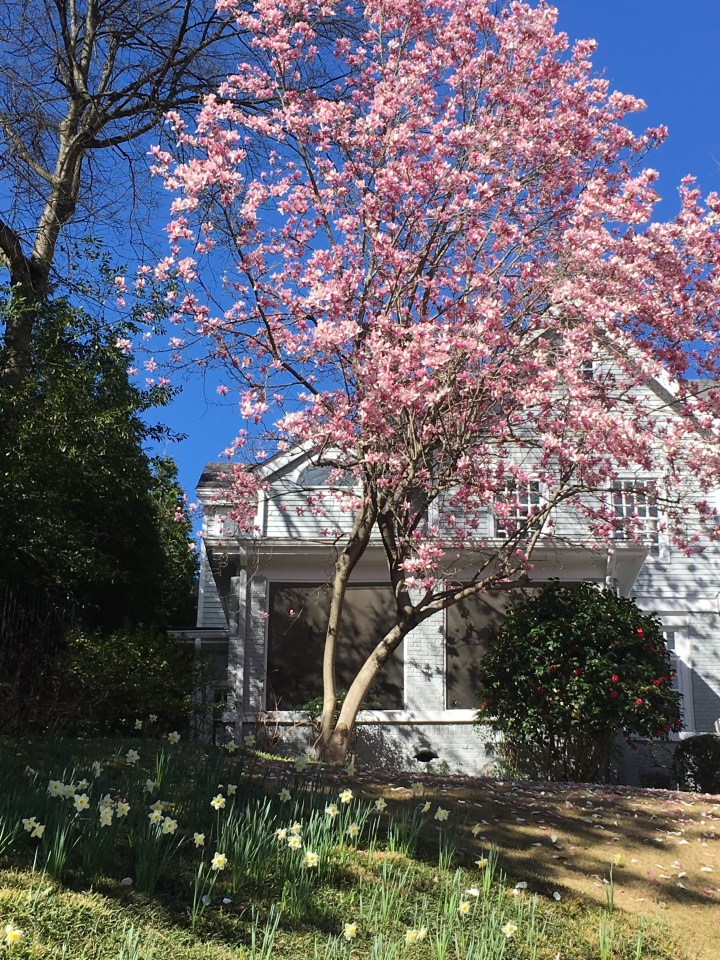
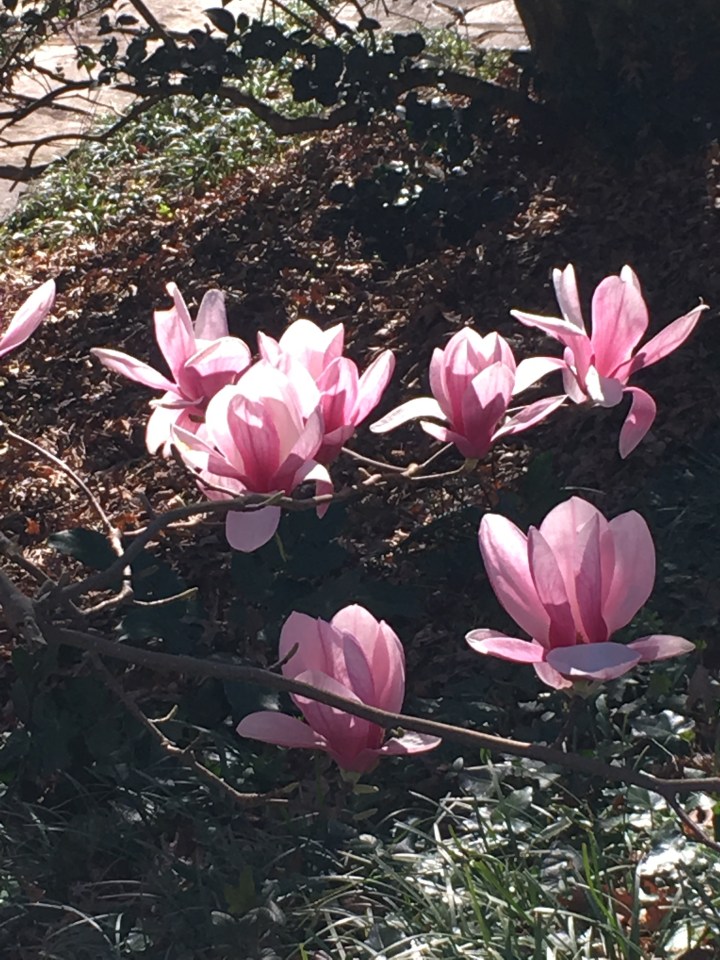
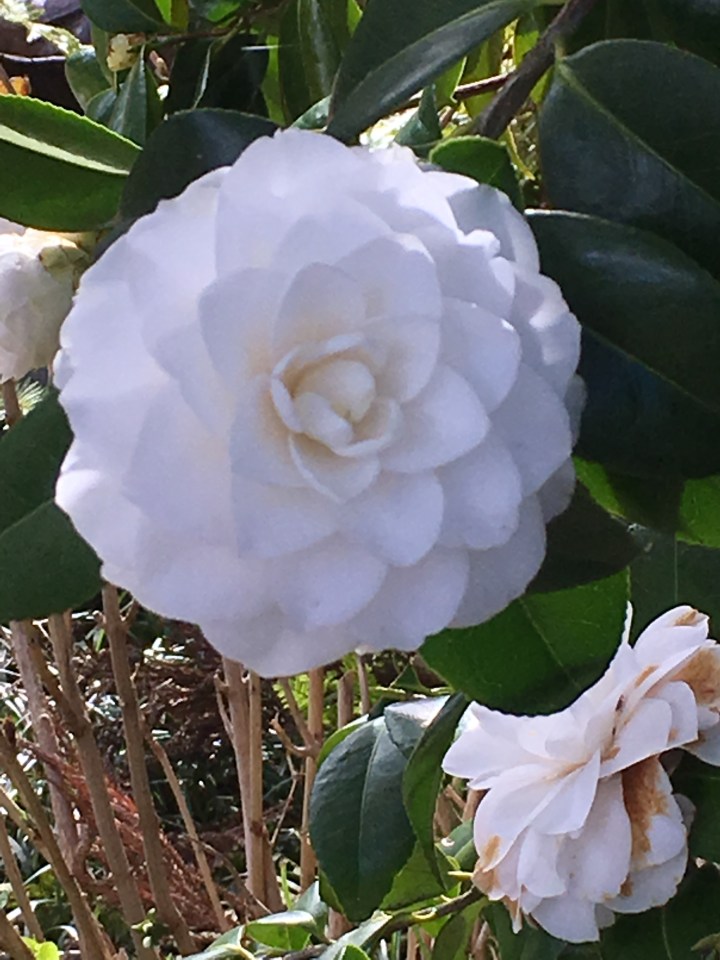
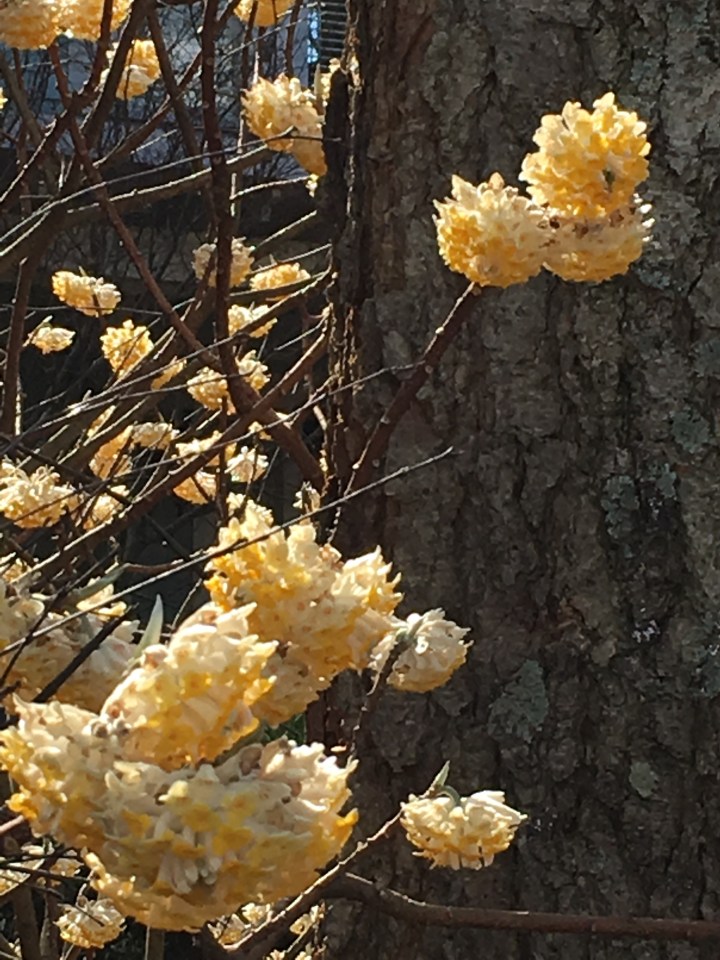
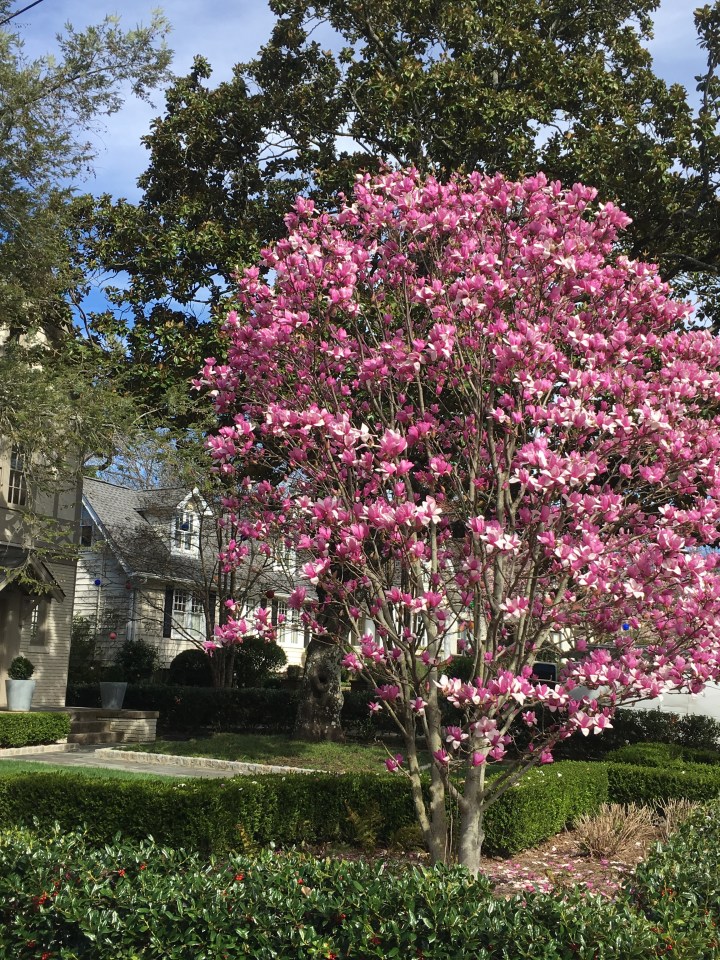
Spring is well under way here in the Southeastern US, after a few false starts and cold spells. A few photos from my neighborhood:
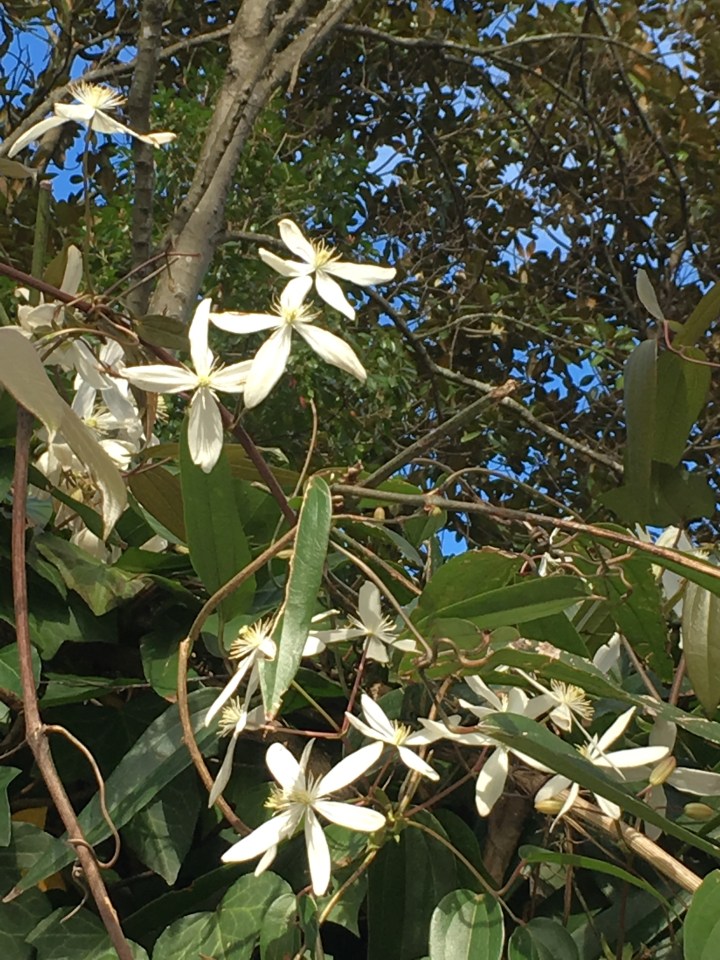

First there was a wide pool of water with the floating heads of Hellebores, upturned to enjoy the sunshine. Garden gathered Anna’s Red, White Tutu and the original, purple Tutu, Winter Moonbeam, a few hybrids… then came the big freeze –
via Floating Hellebores …. sunshine and ice — The Teddington Gardener
Magical photos of Lenten roses from a favorite blog!
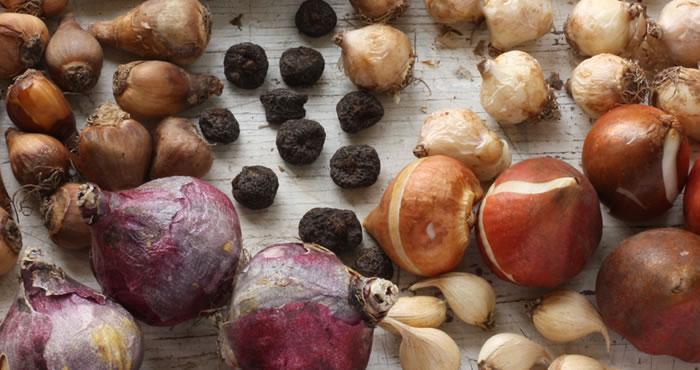
I don’t post nearly as many Saturday Snippets as I used to; that was something I started when I was housebound, healing from a broken shoulder and unable to garden. But I have just discovered a poem, “Transplanting”, by Lee Ann Roripaugh, and it took my breath away, especially the fourth section:
4. DalmatianThere is an art to this. To shishkebab the varnished pit of avocadoon three toothpicks above a pickle jarof cool water, tease down the palethirsty hairs of root until one sinewyarm punches up and unclenches its greenfisted hand, palm open, to the sun.To discern the oniony star-strucksubterfuge of bulbs, their perversedesires, death-like sleeps, and conspirebehind the scenes to embroiderthe Elizabethan ruffles and festoonsof their flamboyant resurrections.To trick the tomatoes into letting downtheir swelling, tumescent orbsin the cottony baked heat of the atticuntil their sunburnt faces glowlike round orange lanterns underthe crepuscular twilight of the eaves.Unwrapping the cuttings of succulentsfrom their moist, paper-towel bandages,and snugging them down into firmdimples of dirt and peat, coaxing upthe apple-green serpentine coils of sweetpea with a snake charmer’s song to windaround the trellis and flicker their quickpink-petaled tongues. The tender slipsof mint, sueded upturned bells of petunia,and slim fingers of pine that pluckthe metal window screen like a tin harpby the breakfast nook where my fatherstirs his morning coffee and waitsfor the neighbors’ Dalmatian to hurlitself over the back fence and hang,limply twisting and gasping on the endof its chain and collar like a polka-dottedpetticoat, until my father goes outsideand takes its baleful kicking weightin his arms and gently tosses it backover the fence into the neighbors’ yard.Year after year, the dandelionsand clover are weeded out, summerscome and go, and roots stubbornly inchdown around the foundation of the house—labyrinthine, powerful and deep.
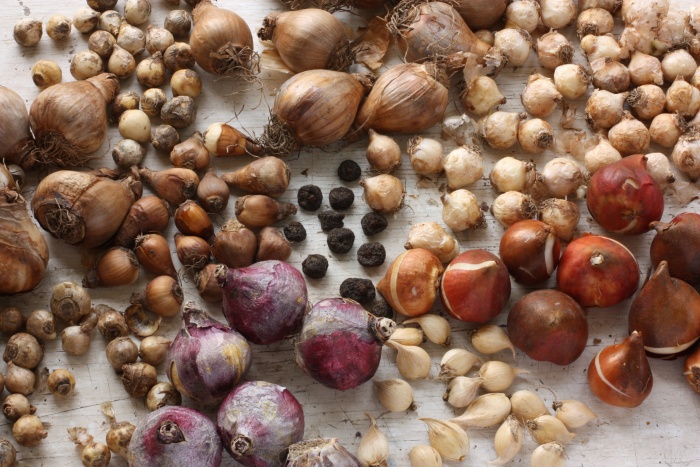

I love this post from Bois de Jasmin about making potpourri and scenting closets and drawers with lily of the valley! Sadly, I cannot grow it in such abundance here that I can try this out. But my sister who lives in New England has a huge patch of lilies of the valley outside her house where they grow like weeds, so maybe I can get some from her next time I am there in May.
Source: Lily of the Valley Potpourri

I haven’t posted Saturday Snippets in a while because of the onslaught of spring gardening “opportunities”! Here’s a short, partial rundown: dozens of Ajuga “Chocolate Chip” planted as groundcovers on a new berm alongside the patio/drainage area we had built last fall, with stones interplanted with Ajuga Metallica Crispa. At least fifteen heucherellas planted under the young Japanese maples we planted last fall in a new “grove” to replace the messy undergrowth in a small sideyard under a huge old water oak. New statue and birdbath also in place. Major pruning back of magnolia hedge in back garden, to edge of mixed shrub and perennial border. New deciduous azalea “Fragrant Star” planted and protected from curious, digging dog. Experimental planting of anemone sylvestris under old azaleas; also protected from curious, digging dog. New heucheras still in process of being planted, including two lovely Heuchera “Purple Mountain Majesty”. To be planted: “Berry Supreme” and “Frosted Violet.”
Today’s chores, in addition to the usual weeding, spraying, watering: plant in containers two new Itoh peonies, bought for half-price from local nursery: “Takara” and “Julia Rose.” Plant nine new Hosta “Blue Mouse Ears” and Japanese painted ferns (they are gorgeous together — try it!). Plant nine new Phlox “David” in sunny border. Plant second “Black Diamond” crape myrtle into pot that matches the first one’s new home. Deadhead David Austin rose “Teasing Georgia”. Spread organic tree fertilizer under recently pruned oak tree. Plant more ceratostigma plumbaginoides under established Japanese maple “Filigree”, the idea being that the leadwort’s red autumn leaves and blue flowers will complement the fall colors of the maple. Finish replanting doorstep containers with summer plants.
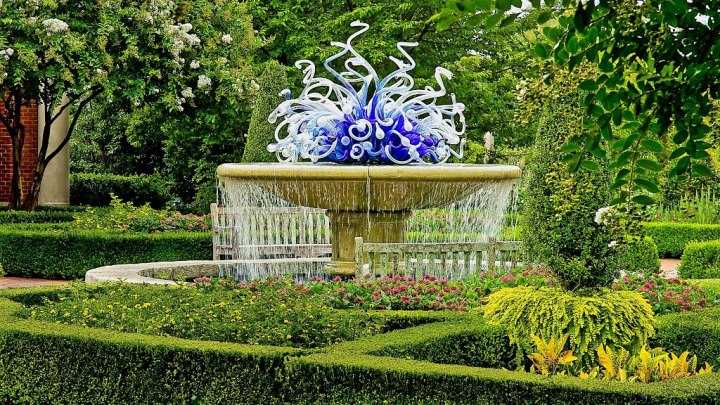
However, if I really get a lot done, I will likely treat myself to a field trip to see the new Chihuly exhibit at the Atlanta Botanical Garden, and that will be worth all the effort!
Oh my — I did not know that there were more “mouse ears” hostas, in addition to my beloved “Blue Mouse Ears”! I sense a hosta buying binge coming on …

‘Blue Mouse Ears’, the 2008 Hosta of the Year, is the mouse ears hosta that started it all, shown here with its adorable, well-proportioned flowers.
It is mini hosta time at Carolyn’s Shade Garden where mouse ears hostas are definitely the customer favorite. What’s not to love? Whether you go for the clever mouse-themed names, the round and rubbery, slug resistant leaves, the useful mini to small size, the perfectly symmetrical, elegant habit, the large variety of beautiful leaf colors, the pixie-like, proportionate flowers, or their general gardenworthiness, you can’t go wrong with mouse ears.
Nursery News: You are welcome to shop at the nursery any time by appointment. The 2016 Mini Hosta Catalogue is now on line here, and we are taking orders. Our third open house sale, featuring hostas, miniature hostas, ferns, epimediums, and hardy geraniums, will be held on Saturday, May 7, from 10 am to…
View original post 555 more words

I think Easter is my favorite holiday. It hasn’t been swamped by materialism, as Christmas often is, and it doesn’t take months or even weeks of preparation. AND it includes flowers. Lots and lots of flowers. Many of my favorite flowers, including spring bulbs, lilies of the valley, white dogwoods, pink azaleas. The Anglican Book of Common Prayer has a beautiful blessing for gardens, recalling the special place of gardens during Holy Week:
Almighty and everliving God, whose Son Jesus appeared to Mary Magdalene in a garden and called her to be the first witness of his Resurrection: we beseech thee to bless this humble garden wherein we have a remembrance of the mighty acts by which we have been saved; grant that all those who see it may ponder and adore the glory of the Cross and the mystery of his Resurrection and may sing with joy the victory hymn; through Jesus Christ our risen Lord, who liveth and reigneth with thee and the Holy Spirit, one God, for ever and ever.
But on Easter Saturday, the time between the Crucifixion and the Resurrection, we should also remember that Jesus’ Passion began in a garden too, the Garden of Gethsemane. Gardens contain death and life, endings and beginnings, whatever the gardener’s or visitor’s beliefs. So whether you celebrate Easter or not, I wish you a peaceful day in a garden, wherever you may be.

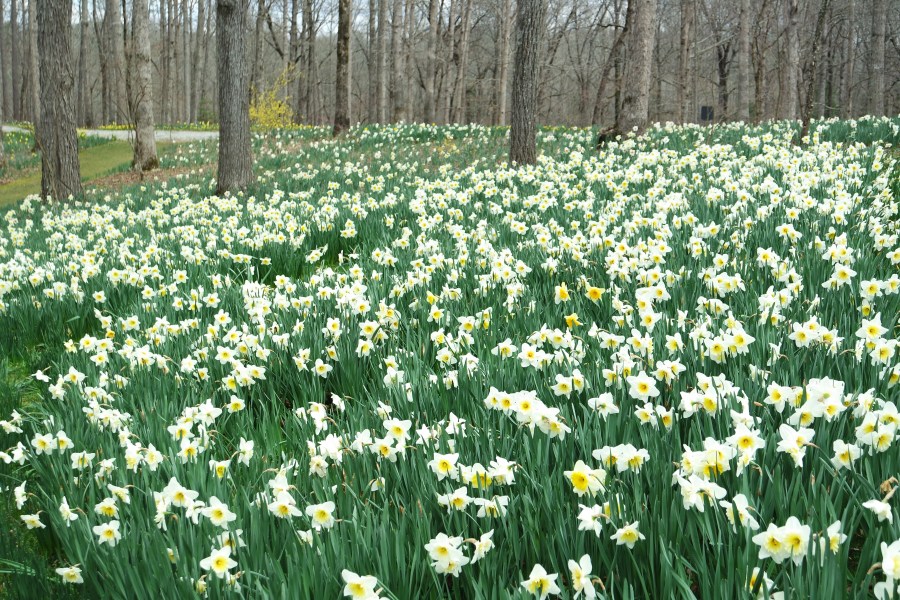
Last weekend, I fulfilled my ambition of visiting Gibbs Gardens during daffodil season, when almost 30 million daffodils come into bloom on its hillsides. It was, as hoped, spectacular! And now I am the happy owner of a lovely book by Sara L. Van Beck, called Daffodils in American Gardens, 1733-1940. So today’s Saturday Snippet is taken from that book, quoting a nursery catalog and letter to customers from the now-gone Hastings Nursery:
We just wish you could see these Giants growing on the Hastings Plantation. We are growing hundreds of thousands and experimenting with about 100 different varieties. They bloom every spring and do fine in pots, boxes and bowls of water in the house during the winter and outdoors for the early spring beds, borders and lawn or garden plots. They make beautiful cut flowers. Daffodils just naturally do well in the South, whether you care for them attentively or whether you only set them out in the lawn. They are graceful and beautiful, rich in color and delightful for all flower purposes. Many friends plant our Daffodils by the thousands and come back for more and other varieties to add to the charm of their permanent home collections.

 Old Herbaceous