Saturday Snippet: Starflowers

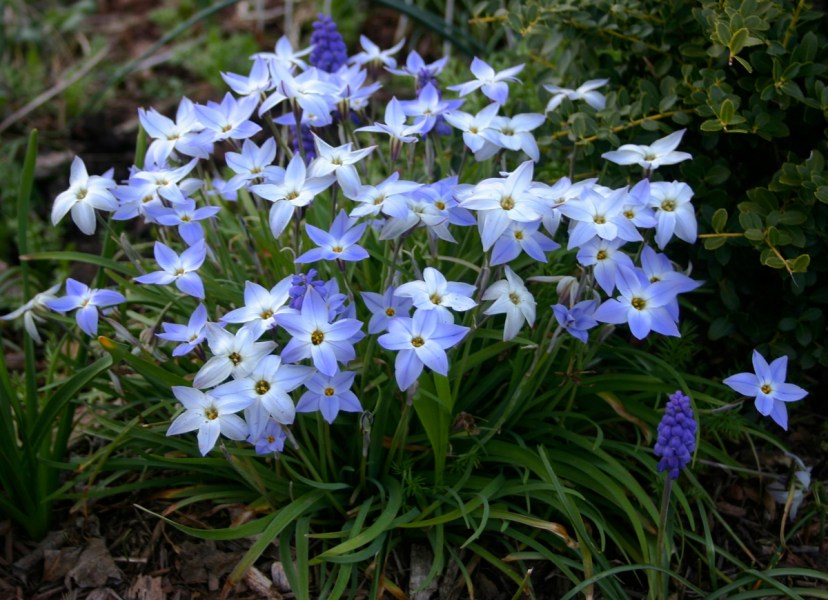
The slender green shoots of Ipheion uniflorum have popped out between the flagstones at the back of our old garden, visible now that most of the leaves have fallen from trees and shrubs. Unlike most spring bulbs, the starflower sends up its leaves in the fall, where they add an unexpected spot of soft green to the autumn tones of red, orange, yellow and brown. In early spring, they will be covered in small, star-shaped blossoms of light blue that give off a soft, pretty fragrance when left alone. If the leaves are bruised, they smell like garlic. Scott Ogden has this to say, in his wonderfully useful book Garden Bulbs for the South:

After the new year, any brief spell of sunny weather will coax these leafy clumps into bloom. The flowers are a cheerful pale blue and resemble six-pointed stars. Once they begin to appear, the blossoms continue steadily into March.

These lovely blue flowers present a perennial mystery for gardeners who discover them in the grass. They seem to have created consternation for botanists as well. The usual questions are “What are they?” and “Where did they come from?

I’m not fussed about what they are or where they came from. In my garden, what they are is lovely and welcome. Where they came from is random, as they spread so quickly and readily by offsets, seeds and runners. I’m always happy to see their harbingers, the tender green shoots of their leaves!

Photo: Wendy Kremer, finegardening.com.
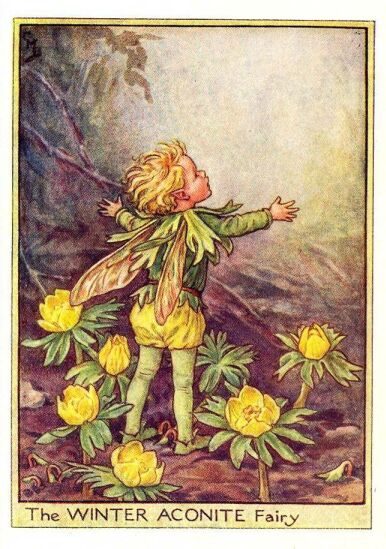
Saturday Snippet: The Winter Aconite Fairy

I am half English and when I was a child, my English relatives often sent me and my siblings classic English storybooks as gifts. So I grew up on Arthur Rackham, C.S. Lewis, Elizabeth Goudge, Beatrix Potter, Enid Blyton. J.M. Barrie — and Cicely Mary Barker, author and illustrator of the Flower Fairies series of little books. They helped inspire and sustain my love of flowers and gardening, as I could imagine the fairies while my parents taught me how to plant perennials, weed flowerbeds and pot up bulbs.

Today, I will be planting winter aconite tubers, as well as various narcissus, and ajuga reptans to fill in among the flagstones of a new, small patio and pathway. Today’s Saturday Snippet:

The Winter Aconite Fairy

Deep in the Earth
I woke, I stirred.
I said: “Was that Spring I heard?
For something called!”
“No, no,” they said:
“Go back to sleep. Go back to bed.”
“You’re far too soon;
The world’s too cold
For you, so small.” So I was told.
But how could I
Go back to sleep?
I could not wait; I had to peep!

Up, up, I climbed,
And here am I.
How wide the earth! How great the sky!
O wintry world,
See me, awake!
Spring calls, and comes; ’tis no mistake.

Cicely Mary Barker

winter_aconite_flower_fairy

Illustration: Cicely Mary Barker (copyright The Estate of Cicely Mary Barker).

Saturday Snippet: Grief and a Garden in Paris

I am late with my weekly post, in part because I was traveling and in part because it has taken me a couple of days to think about the recent tragedies in Paris and Beirut, and to consider humbly what can be said in light of these losses. I know Paris well and love it. As I was looking at the map of the terror attacks, I saw that they took place not far from Pere Lachaise Cemetery, the first metropolitan garden cemetery. Pere Lachaise provided a new model for funerary rituals and grieving the dead but also for remembering them, as mourners and strangers would be able to stroll among the graves in a setting of natural beauty.

Another blogger had the same thought, so today’s Snippet is a re-blogging of his lovely post and photos:

Jeffrey Bale’s World of Gardens: Cimetière du Père Lachaise, Paris.

Writing 101: Where Do I Write?

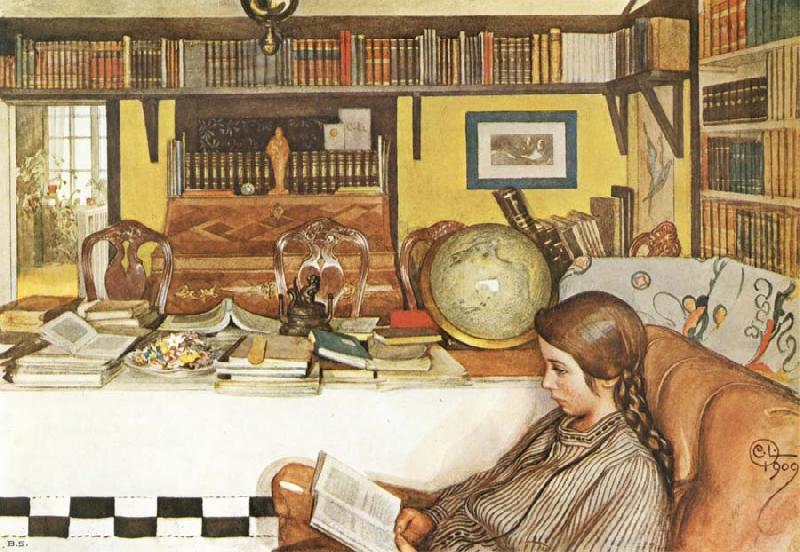
Today’s assignment: describe where I write. I like to write in any of the rooms that look out over my garden. That could be the sunroom, on the main level of our house, or the master bedroom upstairs, or a small study off the bedroom. All have walls that are almost entirely windowed, to let in as much light as possible. The master bedroom and study also each have a built-in window seat that runs almost the whole length of that wall, and under them are built-in bookshelves where I keep many of my hundreds of gardening books (some of which I quote in my “Saturday Snippets” on this blog). Our house is built on a slope, so the sunroom actually sits a full story above the garden, which gives a wonderful view over the flowerbeds and shrubs, and creates the impression of being in a treehouse among the other trees. The bedroom and study are yet another story higher. Our lot is not large, but it is deep and the plantings are mature, so the tall trees around the perimeter make it seem larger than it is and conceal surrounding homes from view.

Right now the foliage is changing color and I am looking out at a tapestry of green, red, orange, yellow and brown. It looks much as it did when we brought our first baby home from the hospital in early November, when I spent days with her in my arms, nursing her and looking out at the changing leaves. This is the time of year when we look forward to holidays and start to plan their celebration — a specially joyous activity once we had children. Perhaps because of this, as well as all the planting I normally do in autumn — especially spring bulbs — I associate fall with hopeful new beginnings instead of decline.

Of those rooms, my favorite in which to write is the sunroom, as it is uncluttered and I don’t get distracted by looking around and thinking of the household chores I should be doing instead of writing. It is also close to the rooms where my children do their homework, so we can be companionable in our separate pursuits.

windowseat with books

Photo: Pinterest. Not my own windowseat, but very similar!

Saturday Snippet: Fragrance in Bloom

A wonderful book by veteran gardener and garden writer Ann Lovejoy, whose books on perennials and mixed borders are among my very favorites, Fragrance in Bloom sums up this season very well:

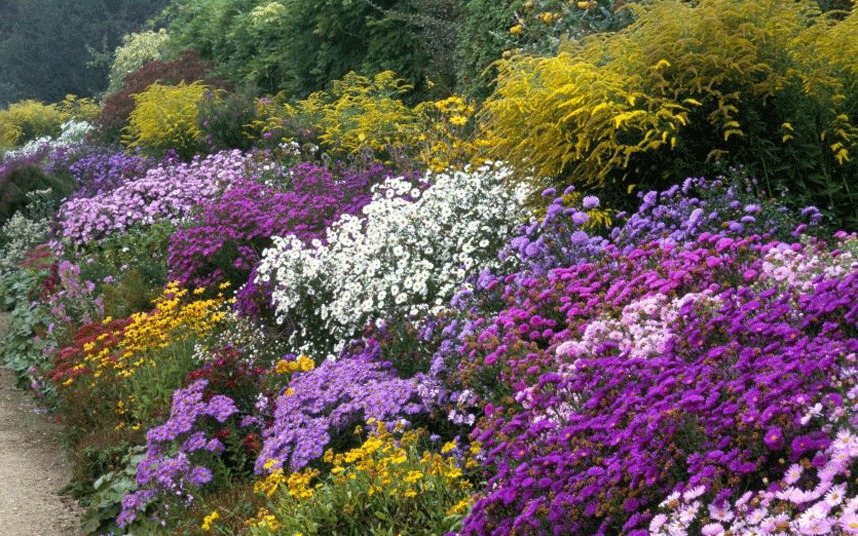
For gardeners, fall is less an ending than the beginning of another great cycle of work and rest and fulfillment. In fall, we plant the bulbs that will illuminate the spring yet unborn. In fall, we dig and divide and recombine our plants into fresh combinations to enjoy next summer. In fall, we commit new plants to the ground, giving trees, shrubs and perennials a chance to make strong root growth before winter. In fall, we can relax and let our plants ripen into maturity before they sleep. Autumn is also glorious in its own right. As the night air cools, leaves catch fire, the tired greens igniting to lava reds, ember oranges, and smoldering copper. As the slanting daylight lengthens, it gilds the garden with a soft haze. Numinous and transcendent, the autumn light turns mess into magic. When we can appreciate that the slumping, seed-spangled demise of summer’s magnificence is truly magnificent in itself, it becomes easier to stop being so concerned about grooming away every browning leaf. Instead, we can relax and simply revel in autumn’s richness.

Photo: http://www.telegraph.co.uk.

Blogging 201: Custom Header

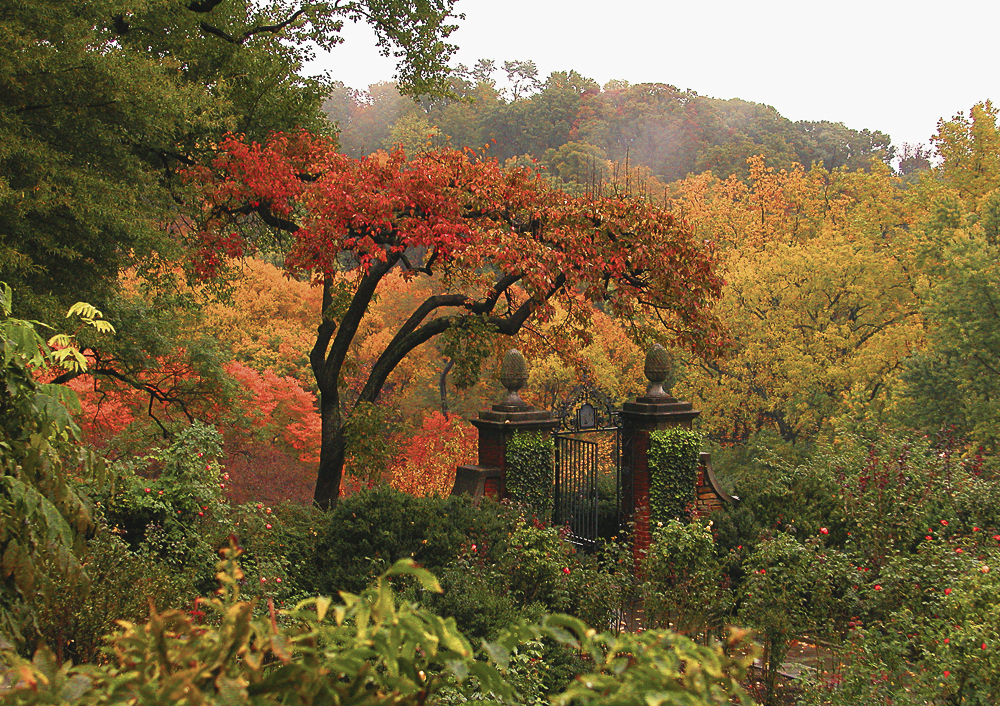
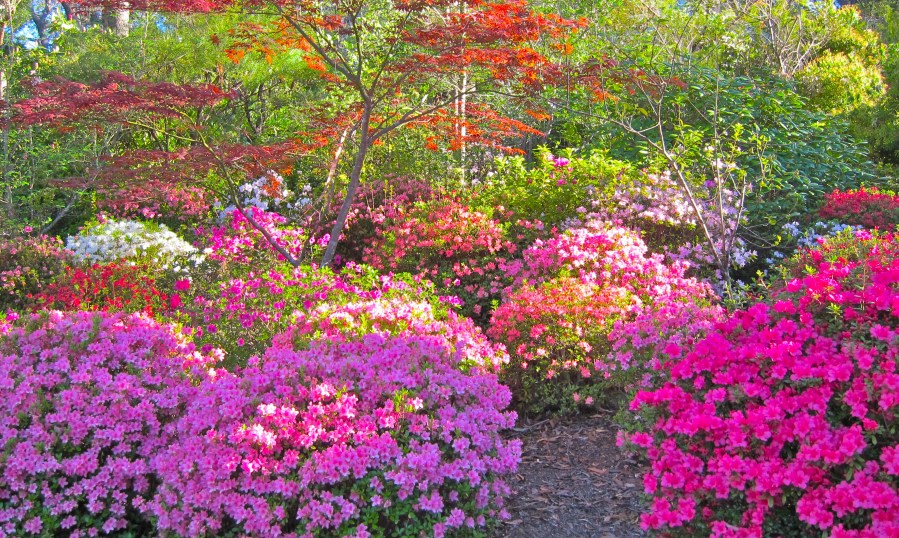
I’ve changed my header image to reflect the current season, which seems appropriate for a blog focused on gardening and plants! What do you think? This lovely photo is an autumn view from the rose garden at Dumbarton Oaks.

View from the Rose Garden in Autumn

Saturday Snippet: Bonsai Correspondence

One of the blogs I follow is Walter Pall’s Bonsai Adventures. Walter Pall is one of the world’s greatest bonsai masters. I particularly admire his work because he works with so many deciduous trees, including my favorites, Japanese maples, but he also works with many European trees, such as European beech.

Today’s Snippet is a reblog of the latest correspondence between Walter Pall and Arthur Jura of the North Carolina Arboretum, home to a magnificent bonsai collection and the annual Carolina Bonsai Expo, where Mr. Pall was recently the featured bonsai artist and lecturer. The letters are a tour de force of bonsai explication.

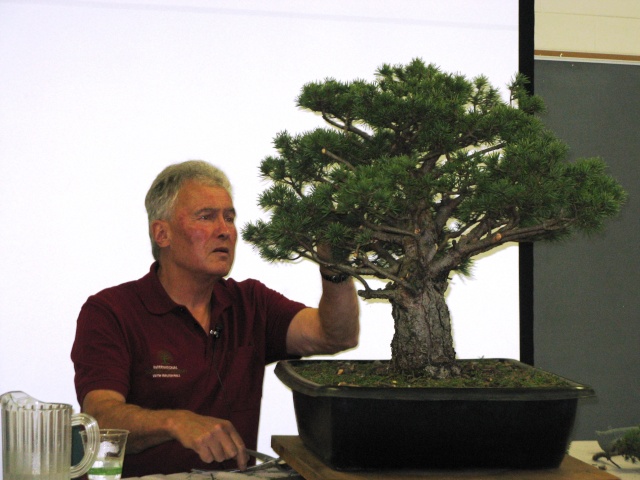
Walter Pall NC Bonsai Expo

Source: Dear Arthur, Dear Walter #4

Saturday Snippet: Vanishing Flowers

This Saturday Snippet is not from one of my collection of gardening books; it comes from The New York Times and an article called “Our Vanishing Flowers.” Those of us who love flowering plants should pay attention.

Ours is one of the most colorful relationships of history: We need flowers for our very survival, and in turn flowers — the plants that exist as crop cultivars or horticultural cut flowers or potted beauties — rely on us to reproduce and spread. But all is not well in this storied partnership: We who behold or nurture flowers are condemning their wild relatives to extinction at an alarming rate, and the world is quickly becoming a lesser place without them.

The author of this article, Stephen L. Buchmann, is a professor of entomology and evolutionary biology who has written a book called The Reason for Flowers. Sounds like one I will want to add to my collection.

Photo: Retha Meier, for The New York Times.

Saturday Snippet: Think Like a Plant

I love Barbara Damrosch’s book The Garden Primer. It may have been the very first gardening book I got as an adult, with my own small patch of earth to cultivate, trying to remember the lessons my parents had taught me when I helped out with their gardening tasks.  One of my favorite quotes: “Good gardening is very simple, really. You just have to learn to think like a plant.” Given that fall is the best planting season for most plants here in Zone 7, this week’s Saturday Snippet is about giving plants a good start:

If you are a Freudian you believe that birth traumas and subsequent experiences in people’s early lives can mark them for life. If you are a non-Freudian you consider this hogwash, holding that everyone is born with a certain personality, and beyond that your life is what you make of it.

I’m not entirely sure which theory is true where humans are concerned, but with plants I’m a Freudian all the way. Yes, a rhododendron is born a rhododendron and will always curl up its leaves self-protectively on cold winter days, only to become an extroverted mound of bright-flowered joy when it gets sufficiently warm in spring. But how large that mound is, and how glorious its display, depends on you, its parent, who can start it off by cramming its little roots into a stingy hole filled with meager soil, or give it a wonderful environment rich in love, care and compost.

The Garden Primer 2nd Ed

Photo: Berkshire Botanical Garden