Lily of the Valley Potpourri

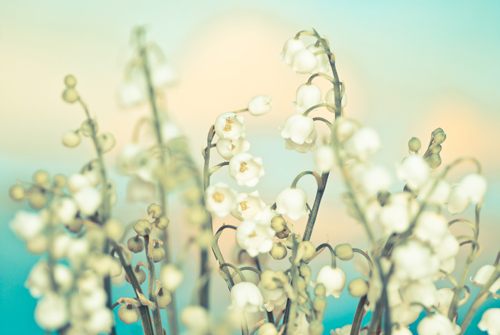
White lilies of the valley against blue background

I love this post from Bois de Jasmin about making potpourri and scenting closets and drawers with lily of the valley! Sadly, I cannot grow it in such abundance here that I can try this out. But my sister who lives in New England has a huge patch of lilies of the valley outside her house where they grow like weeds, so maybe I can get some from her next time I am there in May.

Source: Lily of the Valley Potpourri

Saturday Snippet: Winter Gardens and Conservatories

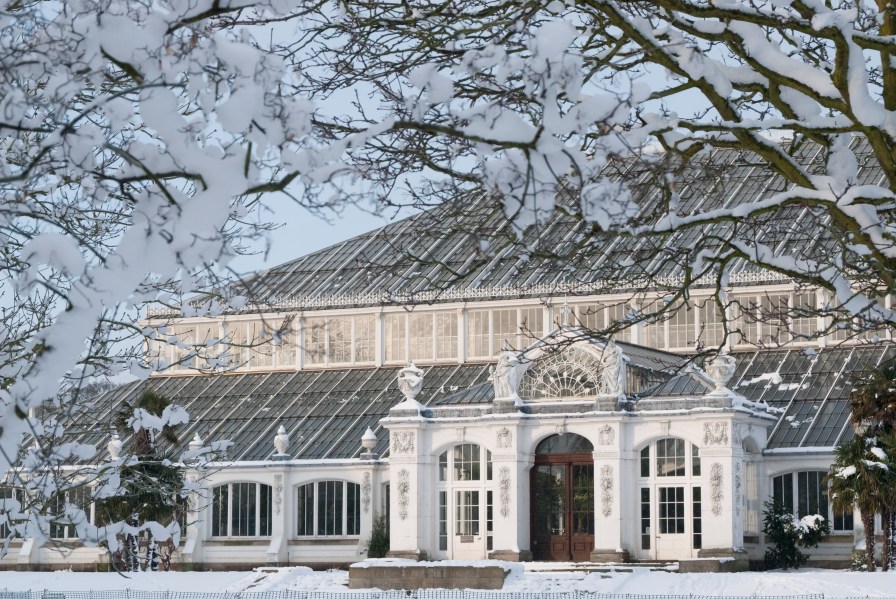
In honor of this January weekend’s blizzards and storms, and feet of snow in much of the Northeastern United States, as well as the new season of Downton Abbey airing this month, this week’s Saturday Snippet is from “The Head Gardeners; Forgotten Heroes of Agriculture”, by Toby Musgrave.

Ornate conservatories or winter gardens were an adjunct of any garden that claimed to be of note. They were sometimes attached to the house or detached and set in the pleasure grounds. These great glass structures were home to many exotic and tender new arrivals brought from jungles and tropical regions across the world. Indeed, be they tendder, half-hardy or hardy, the wealth of new plants brought to Britain by the plant hunters excited botanists and garden-owners, and provided head gardeners with a constant onslaught of challenges. These expensive treasures required careful and skilled nurturing to survive. Often in the vanguard of those attempting to cultivate such tricksy rarities, the head gardener had to rely on his experience, a modicum of experimentation and an ability to learn fast.

Photo: RBG Kew.

Saturday Snippet: Starflowers

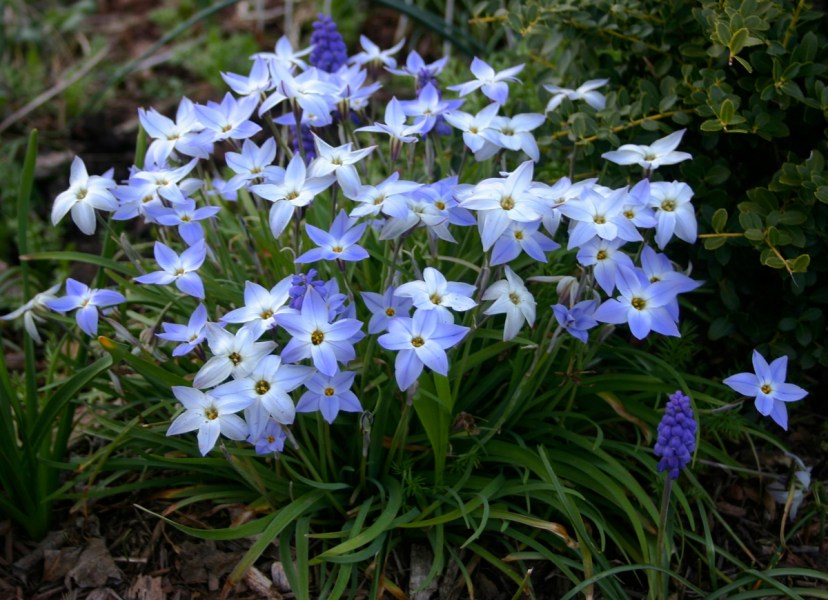
The slender green shoots of Ipheion uniflorum have popped out between the flagstones at the back of our old garden, visible now that most of the leaves have fallen from trees and shrubs. Unlike most spring bulbs, the starflower sends up its leaves in the fall, where they add an unexpected spot of soft green to the autumn tones of red, orange, yellow and brown. In early spring, they will be covered in small, star-shaped blossoms of light blue that give off a soft, pretty fragrance when left alone. If the leaves are bruised, they smell like garlic. Scott Ogden has this to say, in his wonderfully useful book Garden Bulbs for the South:

After the new year, any brief spell of sunny weather will coax these leafy clumps into bloom. The flowers are a cheerful pale blue and resemble six-pointed stars. Once they begin to appear, the blossoms continue steadily into March.

These lovely blue flowers present a perennial mystery for gardeners who discover them in the grass. They seem to have created consternation for botanists as well. The usual questions are “What are they?” and “Where did they come from?

I’m not fussed about what they are or where they came from. In my garden, what they are is lovely and welcome. Where they came from is random, as they spread so quickly and readily by offsets, seeds and runners. I’m always happy to see their harbingers, the tender green shoots of their leaves!

Photo: Wendy Kremer, finegardening.com.
Saturday Snippet: Vanishing Flowers

This Saturday Snippet is not from one of my collection of gardening books; it comes from The New York Times and an article called “Our Vanishing Flowers.” Those of us who love flowering plants should pay attention.

Ours is one of the most colorful relationships of history: We need flowers for our very survival, and in turn flowers — the plants that exist as crop cultivars or horticultural cut flowers or potted beauties — rely on us to reproduce and spread. But all is not well in this storied partnership: We who behold or nurture flowers are condemning their wild relatives to extinction at an alarming rate, and the world is quickly becoming a lesser place without them.

The author of this article, Stephen L. Buchmann, is a professor of entomology and evolutionary biology who has written a book called The Reason for Flowers. Sounds like one I will want to add to my collection.

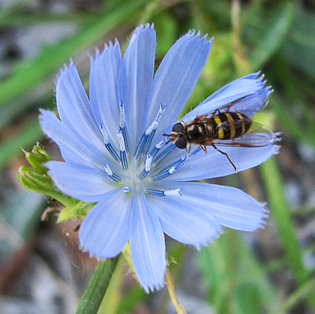
Photo: Retha Meier, for The New York Times.